
Italy Travel FAQs
For more information on dates and prices, please email info@gatewaytravel.com.au or call 0414955109 (local) or +61 414955109 (international)
Italy
Why Italy Should Be on Your Travel List
Italy offers a uniquely rich blend of history, culture, food, art, and landscapes—all within one compact and highly accessible country. Here’s why:
- From the Colosseum in Rome to the ruins of Pompeii, Italy is one of the few places where ancient civilizations still shape modern cityscapes. You can walk through thousands of years of history in just a few days.
- Italian food isn’t just pizza and pasta—though those alone are worth the trip. Each region offers its own dishes, wines, and traditions, from Florentine steaks in Tuscany to fresh seafood in Sicily. It’s a culinary journey in every bite.
- Italy is the cradle of the Renaissance. You’ll find masterpieces by Michelangelo, da Vinci, Botticelli, and Raphael in the churches, museums, and even the streets of cities like Florence, Venice, and Milan.
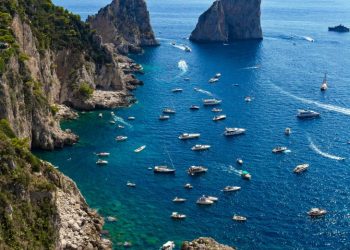
- Whether you want to ski the Alps, sail the Amalfi Coast, wander through the rolling hills of Tuscany, or explore the dramatic cliffs of Cinque Terre, Italy offers something for every kind of traveler.
- The Italian concept of la dolce vita (the sweet life) is real. The pace, the espresso, the piazzas, the fashion—Italy teaches you to slow down and enjoy the beauty of life.
Video - Travelling around Italy
Now FREE!!


Do I need a passport and visa to travel to Italy?
Yes, a valid passport is required to enter Italy. Your passport should be valid for at least 3 months beyond your planned departure date. Citizens of many countries, including Australia, do not require a tourist visa for stays up to 90 days within the Schengen Area. Starting in 2024, travellers will need to apply online for an ETIAS (European Travel Information and Authorization System) before entering Italy and other Schengen countries. For stays longer than 90 days, work, study, or other purposes, you must apply for the appropriate visa through the Italian consulate.
What should I do if I get robbed in Italy?
Report the incident immediately to the local police (Carabinieri or Polizia di Stato) and obtain a police report — essential for insurance and embassy assistance. Contact your country’s embassy or consulate for support. Notify your travel insurance provider promptly. Cancel and block any stolen credit or debit cards. Stay calm and seek help from your accommodation or trusted local authorities.
What should I do if I get sick while travelling in Italy?
In emergencies, call 112, the European emergency number, or go to the nearest hospital. For minor illnesses, visit a local pharmacy (farmacia) — many pharmacists speak English and can advise or supply medication. Keep your travel insurance details handy for medical coverage and reimbursement. Carry information on any allergies, medical conditions, and emergency contacts. Contact your travel agent or accommodation provider for assistance if necessary.
What steps should I take if I lose my passport in Italy?
Report the loss to the local police immediately and get a police report. Contact your home country’s embassy or consulate to apply for an emergency travel document or replacement passport. Always carry digital and physical copies of your passport and important documents to speed up the process. Inform your airline and travel insurance provider about the loss.
Can I bring my medications to Italy? What should I know?
Yes, you may bring personal medications for your trip. Carry medications in their original packaging with your name and prescription. Bring a doctor’s letter or prescription explaining your medical needs, especially for controlled substances. Check Italy’s regulations regarding restricted medications before travelling. Pack medications in your carry-on luggage to avoid loss.
When is the best time to visit Italy?
The best time to visit Italy is during the spring (April to June) and early autumn (September to October) when the weather is mild and tourist crowds are smaller. Summer (July and August) is peak tourist season, with hotter weather and busier attractions.
What are some major festivals in Italy I can attend?
Venice Carnival (February/March): Famous for its masked balls and parades. Il Palio di Siena (July and August): Historic horse race in Siena’s Piazza del Campo. Umbria Jazz Festival (July): World-class jazz performances in Perugia. La Quintana (August/September): Medieval jousting tournament in Ascoli Piceno. Rome Film Festival (October): International cinema event in Rome. Plus many regional food, wine, and religious festivals year-round.
How can I book my Italian trip through Gateway Travel?
We offer wholesale luxury tours tailored to your preferences, including small group guided tours and customised itineraries. Email us at info@gatewaytravel.com.au to discuss your travel plans, get personalised advice, and secure exclusive offers. Our expert team will help you create an unforgettable Italian travel experience at competitive wholesale prices (not retail).


What currency is used in Italy?
The official currency in Italy is the Euro (€). Credit and debit cards are widely accepted in hotels, restaurants, and shops. It’s a good idea to carry some cash for smaller purchases, markets, and tips.
What language is spoken in Italy?
The official language is Italian. English is commonly spoken in major tourist areas, hotels, and restaurants, but it’s helpful to learn a few basic Italian phrases for courtesy and convenience.
What type of power plug is used in Italy?
Italy uses types C, F, and L plugs with a standard voltage of 230V and a frequency of 50Hz. Travellers from Australia will need a European adapter for their devices.
Is tipping expected in Italy?
Tipping isn’t compulsory in Italy, but it’s appreciated for good service. In restaurants, it’s customary to round up the bill or leave 5-10% if service isn’t already included. A small tip for hotel staff and drivers is also polite.
Can I drink tap water in Italy?
Yes — tap water in Italy is safe to drink in most areas, and public drinking fountains (called fontanelle) are common in cities like Rome. Bottled water is also widely available if preferred.
What’s public transport like in Italy?
Italy has an excellent public transport network, including trains, buses, ferries, and metros in major cities. High-speed trains connect Rome, Florence, Milan, and Venice efficiently. Tickets should be validated before boarding regional trains.
Can I use my mobile phone in Italy?
Yes — most international mobile phones work in Italy. Check with your service provider about roaming rates, or buy a local SIM card from stores like TIM, Vodafone, or WindTre for affordable calls and data.
Do I need travel insurance for Italy?
Definitely. It’s highly recommended to have travel insurance covering medical expenses, trip cancellations, delays, and theft. European healthcare can be expensive for non-residents without insurance.
Do I need to book tickets for attractions in advance?
For popular sites like the Colosseum, Vatican Museums, Uffizi Gallery, and Pompeii, it’s wise to book tickets online in advance to skip queues, especially during peak season.
What are the must-see attractions in Italy?
Top sights include the Colosseum, Vatican City, Leaning Tower of Pisa, Florence’s Duomo, Amalfi Coast, Pompeii, Venice canals, Lake Como, and Cinque Terre. Ask us about guided tours and bespoke itineraries to suit your interests.

Smarttraveller in Australia
Keep up to date on overseas travel information. We recommend you visit smartraveller.gov.au on the Department of Foreign Affairs and Trade (DFAT) website or phone toll free on 1300 139 281.


